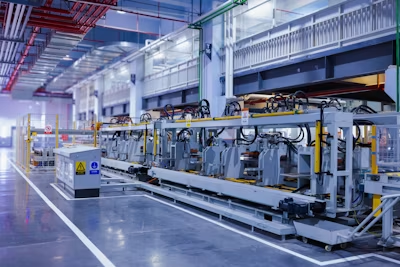
Industrial Automation Benefits are becoming increasingly important for modern industries that want to improve productivity, reduce operational challenges, and create smarter manufacturing environments. Today, companies are moving from traditional manual processes toward advanced automation systems that can control machines, analyze data, and improve production efficiency.
In the past, many industrial operations depended heavily on human effort for machine control, quality checks, and production monitoring. However, modern automation technologies have changed the way factories operate. With the help of PLC systems, industrial sensors, robotics, and advanced control software, manufacturers can achieve faster production, better accuracy, and improved workplace safety.
Moreover, industries now face increasing competition and higher customer expectations. Therefore, businesses need reliable solutions that help them produce high-quality products while reducing waste and unnecessary costs. Industrial automation provides a practical way to achieve these goals by creating connected systems that work efficiently with minimal manual intervention.
One of the biggest Industrial Automation Benefits is improved production performance. Automated systems can perform repetitive tasks with consistent accuracy and speed. As a result, factories can increase output while maintaining product quality. Additionally, automation allows engineers to monitor machine conditions in real time, which helps prevent unexpected failures and reduces downtime.
Furthermore, industrial automation supports the growth of smart manufacturing and Industry 4.0. Modern factories use intelligent technologies such as data analytics, cloud platforms, and industrial communication networks to make better decisions. These technologies allow businesses to understand their production processes and continuously improve their operations.
Another important advantage of automation is safety improvement. Industrial environments often include heavy machinery, high temperatures, and complex processes. By using automated control systems, companies can reduce human exposure to dangerous situations and create safer workplaces.
As technology continues to develop, automation is becoming more accessible for different industries. Small manufacturing units and large industrial facilities can both benefit from automation solutions according to their requirements. Whether it is a simple machine control application or a complete smart factory system, automation helps industries achieve higher efficiency and long-term growth.
What Is Industrial Automation?
Industrial automation is the use of advanced technologies to control industrial processes with limited human involvement. It combines hardware and software systems such as Programmable Logic Controllers (PLCs), sensors, Human Machine Interfaces (HMIs), robotics, and industrial networks to operate machines automatically.
The main purpose of industrial automation is to improve the performance, reliability, and efficiency of manufacturing operations. Instead of depending on manual control for every task, automated systems can monitor conditions, process information, and perform actions based on programmed instructions.
For example, a production line may use sensors to detect product positions, a PLC to process input signals, and motors or actuators to perform specific movements. The complete process works together through programmed logic, allowing machines to complete tasks accurately and consistently.
Moreover, industrial automation provides better control over complex manufacturing processes. In industries such as automotive, food processing, pharmaceuticals, and electronics, precise control is essential for maintaining product standards. Automation systems help companies achieve this precision by reducing human errors and maintaining stable operating conditions.
Modern automation systems also focus on communication between different industrial devices. Through industrial networking technologies, PLCs, robots, sensors, and monitoring systems can exchange information quickly. This connection creates a more intelligent manufacturing environment where machines can work together efficiently.
Another important feature of industrial automation is data collection. Every automated machine generates valuable information during operation. Companies can analyze this data to understand production performance, identify problems, and improve their processes.
For instance, machine performance data can show energy usage, production speed, and equipment conditions. Engineers can use this information to plan maintenance activities and improve overall system reliability. Therefore, automation is not only about controlling machines; it is also about using information to make smarter industrial decisions.
Industrial automation continues to evolve with new technologies such as artificial intelligence, cloud computing, and Industrial Internet of Things (IIoT). These developments are creating more flexible and intelligent systems that can adapt to changing production requirements.
The combination of automation hardware, software, and data analytics is helping industries build the factories of the future. As businesses continue adopting these technologies, the importance of Industrial Automation Benefits will continue to grow across different manufacturing sectors.
Industrial Automation Benefits in Modern Industries
Industrial automation has become a powerful solution for companies that want to improve their manufacturing performance and maintain a competitive position in the global market. The Industrial Automation Benefits are not limited to faster production; they also include better accuracy, improved safety, efficient resource management, and smarter decision-making.
Modern industries use automation systems to create reliable production environments where machines, software, and human operators work together. These systems help manufacturers reduce production challenges while improving overall operational efficiency.
Improved Productivity Through Industrial Automation Benefits
One of the most important advantages of automation is increased productivity. Traditional manufacturing processes often depend on manual operations, which can create delays and inconsistent results. Automated systems can perform repetitive tasks continuously with high speed and accuracy.
PLC-based automation systems allow machines to follow programmed instructions without frequent human adjustments. For example, automated production lines can control motors, conveyors, robotic arms, and other equipment with precise timing. This helps industries increase output while maintaining stable production quality.
Furthermore, automation systems can operate for longer periods without fatigue. Unlike manual processes, machines can continue performing repetitive operations with consistent performance. As a result, manufacturers can achieve higher production rates and better utilization of their equipment.
Another important factor is process optimization. Automated systems collect operational data that helps engineers understand production performance. By analyzing this information, companies can identify slow processes, improve workflows, and increase overall efficiency.
For example, a factory using automated monitoring can identify where production delays occur and make improvements quickly. This approach helps businesses save valuable time and achieve better results.
Better Product Quality and Accuracy
Maintaining consistent product quality is a major challenge for many industries. Human errors, production variations, and changing operating conditions can affect final product results. Automation technology helps solve these problems by providing accurate and repeatable operations.
Industrial controllers such as PLCs can manage machines with precise control. They receive signals from sensors, process information, and send commands to maintain correct operating conditions. This level of control helps manufacturers produce products with fewer defects.
Additionally, automated inspection systems can check product quality during the manufacturing process. Cameras, sensors, and smart monitoring devices can identify problems quickly and allow operators to take corrective actions.
The improvement in quality is one of the major Industrial Automation Benefits because companies can reduce waste and improve customer satisfaction. When products maintain consistent standards, businesses can build stronger market positions and improve their reputation.
Moreover, accurate automation reduces the need for repeated production adjustments. Engineers can program systems according to specific requirements, allowing machines to complete tasks with high precision.
Reduced Operational Costs
Many industries adopt automation because it helps reduce unnecessary expenses. Although automation requires initial investment, it can provide long-term financial advantages through improved efficiency and better resource management.
Automated systems help reduce labor costs by handling repetitive and time-consuming tasks. Instead of using workers for every manual operation, companies can assign employees to more advanced roles such as system management, maintenance, and process improvement.
Energy efficiency is another important benefit. Modern automation systems can monitor energy consumption and optimize machine operation. For example, variable frequency drives (VFDs) can control motor speed according to production requirements, reducing unnecessary power usage.
Furthermore, automation reduces material waste by improving process accuracy. When machines operate with precise control, they produce fewer defective products and use resources more effectively.
Predictive maintenance is also an important factor in reducing costs. Automated monitoring systems can detect unusual machine behavior before major failures occur. This allows maintenance teams to repair equipment at the right time instead of dealing with unexpected breakdowns.
As a result, companies can avoid expensive downtime, extend equipment life, and maintain smoother production operations.
Enhanced Workplace Safety
Workplace safety is one of the most valuable advantages of modern automation systems. Industrial environments often include heavy machinery, electrical equipment, and complex production processes that may create safety risks.
Automation technology helps reduce these risks by allowing machines to perform dangerous tasks without direct human involvement. For example, robotic systems can handle hazardous materials, high-temperature operations, and repetitive heavy tasks.
Safety sensors and automated control systems also improve protection by monitoring industrial conditions. If a dangerous situation occurs, the system can automatically stop equipment or send alerts to operators.
Moreover, modern PLC systems include safety features that help engineers create secure automation solutions. These features allow industries to design systems that protect both workers and equipment.
A safer workplace not only protects employees but also improves overall productivity. When companies reduce accidents and equipment damage, they can maintain more stable operations.
Real-Time Monitoring and Data Management
Modern factories generate large amounts of operational data every day. Automation systems help companies collect, analyze, and use this information to improve performance.
Sensors connected to PLC systems provide real-time information about machine conditions, production speed, temperature, pressure, and other important factors. Engineers can view this data through HMI panels or advanced monitoring platforms.
Real-time monitoring allows companies to identify problems quickly. Instead of waiting for equipment failure, operators can observe system performance and take preventive actions.
Data analysis also helps businesses make better decisions. Production managers can study performance trends, compare efficiency levels, and find opportunities for improvement.
This ability to use industrial data effectively is one of the key Industrial Automation Benefits in modern manufacturing. It transforms factories from simple production environments into intelligent and connected systems.
Role of PLC Systems in Industrial Automation Benefits
Programmable Logic Controllers (PLCs) are one of the most important parts of modern automation systems. They work as the main control unit that manages machines, sensors, motors, and other industrial equipment.
The role of PLC systems is growing because industries need faster, safer, and more reliable production methods. PLCs help companies automate complex tasks while maintaining accurate control over every process.
A PLC receives signals from field devices such as sensors, switches, and measuring instruments. After receiving this information, it processes the data according to programmed logic and sends commands to output devices. This simple but powerful process allows machines to operate automatically.
For example, in a manufacturing line, sensors can detect product movement while a PLC controls conveyor speed and robotic operations. The system continuously checks conditions and makes decisions within milliseconds. This improves production speed and reduces manual errors.
Modern PLC systems also support industrial communication networks. They can connect with HMIs, SCADA systems, robots, and cloud platforms. This connection allows engineers to monitor operations and control machines more effectively.
One of the important Industrial Automation Benefits of PLC technology is flexibility. Engineers can modify PLC programs without changing the complete hardware setup. This makes automation systems easier to upgrade when production requirements change.
Furthermore, PLCs improve system reliability. They are designed to work in harsh industrial environments where temperature, dust, and electrical noise can affect normal devices. Their strong design makes them suitable for different industries, including automotive, food processing, packaging, and energy sectors.
Smart Manufacturing and Advanced Automation Technologies
Smart manufacturing represents the next stage of industrial development. It combines automation, data analysis, and digital technologies to create more intelligent factories.
Unlike traditional factories, smart manufacturing systems allow machines to communicate with each other. This communication helps companies understand their production processes and improve performance.
Industrial Internet of Things (IIoT) technology plays an important role in smart manufacturing. Sensors collect information from machines and send data to monitoring platforms. Engineers can analyze this information to find problems and improve efficiency.
Artificial intelligence is also becoming part of modern industrial systems. AI tools can analyze large amounts of production data and help companies make better decisions. For example, AI-based systems can predict equipment problems before they cause production delays.
Cloud technology provides another advantage by allowing remote access to industrial information. Engineers can monitor factory conditions from different locations and respond quickly when issues appear.
These technologies work together with automation systems to create more efficient production environments. As a result, companies can improve quality, reduce waste, and increase productivity.
The combination of PLCs, robotics, sensors, and digital platforms creates a strong foundation for future factories. This approach helps industries move toward more connected and intelligent manufacturing systems.
Future of Industrial Automation Benefits
The future of industrial automation looks highly promising because technology continues to improve rapidly. Industries are investing in smarter systems that can increase efficiency and support long-term growth.
In the coming years, automation systems will become more intelligent and easier to manage. Advanced software, artificial intelligence, and better communication networks will help factories operate with greater accuracy.
Robotics will also continue to expand across different industries. Modern robots can perform complex tasks with high precision and work safely alongside human operators. This collaboration will create more flexible production environments.
Another important trend is the growth of predictive maintenance. Future automation systems will use advanced data analysis to identify possible equipment failures before they happen. This will help companies reduce downtime and maintain continuous production.
Cybersecurity will also become more important as factories become more connected. Industrial networks must remain protected from digital threats to ensure safe and reliable operations.
Moreover, sustainable manufacturing will become a major focus. Automation systems can help companies reduce energy usage, minimize waste, and improve resource management. These improvements support both business growth and environmental goals.
As technology advances, automation will become useful for more businesses. Small and medium industries will also adopt automation solutions because modern systems are becoming more flexible and affordable.
How Industries Can Use Automation Effectively
Successful automation requires proper planning and the right technology selection. Companies should first understand their production challenges and identify areas where automation can provide the most value.
The first step is choosing suitable automation equipment. Businesses need to select PLCs, sensors, drives, and software systems according to their specific requirements.
Another important factor is employee training. Although automation reduces manual work, skilled professionals are still required to manage, program, and maintain industrial systems.
Regular system maintenance is also necessary. Companies should monitor equipment performance and update software when required. This approach keeps automation systems reliable and efficient.
Additionally, businesses should focus on data security. Connected industrial systems require proper protection to prevent unauthorized access and maintain safe operations.
When companies follow a structured automation strategy, they can achieve maximum value from their investment. Proper implementation helps businesses improve productivity, reduce costs, and create competitive advantages.
Conclusion: The Growing Importance of Industrial Automation
Industrial automation is changing the way modern industries operate. From improving production speed to increasing workplace safety, automation provides many advantages for businesses around the world.
The Industrial Automation Benefits include better productivity, reduced costs, improved quality, real-time monitoring, and smarter decision-making. Technologies such as PLC systems, robotics, industrial networks, and cloud platforms are helping companies build advanced manufacturing environments.
As industries continue adopting smart technologies, automation will become an essential part of future manufacturing. Businesses that invest in reliable automation solutions can improve efficiency and prepare for new industrial challenges.
The future of manufacturing depends on connected, intelligent, and flexible systems. By using modern automation technologies, industries can achieve better performance and create more successful production processes.