
Table of Contents
ToggleIndustrial PLC Control Panel Wiring Setup
Industrial automation is transforming modern manufacturing and production systems across the world. A professional Industrial PLC Control Panel Wiring Setup plays a major role in improving machine control, operational safety, and production efficiency. In today’s industries, PLC panels are widely used to automate processes, monitor equipment, and reduce manual work.
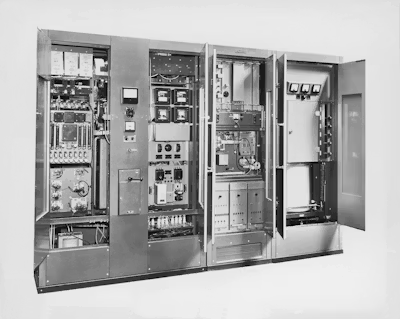
The image above shows a professional PLC control cabinet with organized wiring, PLC modules, terminal blocks, and industrial automation components. Proper wiring setup inside a PLC panel ensures stable communication, safe operation, and reliable machine performance.
What is an Industrial PLC Control Panel Wiring Setup?
An Industrial PLC Control Panel Wiring Setup is a structured electrical arrangement used to connect PLC modules, relays, sensors, drives, and industrial devices inside a control cabinet. The PLC acts as the brain of the automation system and controls machinery according to programmed instructions.
A professional wiring setup improves:
- Machine automation
- Electrical safety
- Signal communication
- Production monitoring
- Troubleshooting efficiency
Industrial PLC panels are commonly used in factories, water treatment plants, packaging systems, textile industries, food processing plants, and power management systems.
Main Components of an Industrial PLC Control Panel Wiring Setup
The image displays several important industrial automation components that work together inside the PLC cabinet.
1. PLC Modules
PLC modules control industrial machines and process signals from sensors and switches. Siemens PLC systems are commonly used because of their reliability and performance.
2. Power Supply Unit
The power supply converts electrical voltage and provides stable power to the PLC and other devices.
3. Terminal Blocks
Terminal blocks organize electrical wiring connections and simplify maintenance work.
4. Communication Wiring
Blue communication wires help transfer signals between PLC modules and industrial devices.
5. Input and Output Modules
Input modules receive signals from sensors, while output modules control motors, relays, and actuators.
Benefits of Industrial PLC Control Panel Wiring Setup
A professional Industrial PLC Control Panel Wiring Setup provides many industrial advantages.
Improved Automation Efficiency
PLC panels automate industrial processes with high accuracy and speed.
Better Safety
Organized panel wiring reduces electrical faults and improves operational safety.
Easy Troubleshooting
Clearly labeled wiring and terminal organization simplify fault diagnosis.
Reduced Downtime
Reliable PLC communication minimizes machine failures and production delays.
Long-Term Reliability
Industrial-grade wiring and components increase panel lifespan and reduce maintenance costs.
PLC Panel Wiring Standards and Safety
Following industrial standards is important for every Industrial PLC Control Panel Wiring Setup.
Proper Cable Management
Neatly arranged cables improve airflow and reduce electrical interference.
Wire Labeling
Every wire should be labeled correctly for maintenance and troubleshooting.
Grounding Protection
Proper grounding protects equipment from voltage fluctuations and short circuits.
Heat Ventilation
Industrial panels should include proper ventilation to avoid overheating.
Safety Compliance
Automation panels should follow industrial electrical safety standards and regulations.
Common Applications of Industrial PLC Control Panel Wiring Setup
PLC control panels are widely used in different industries.
Manufacturing Plants
Used for conveyor systems, robotic automation, and machine control.
Water Treatment Systems
PLC panels automate pumps, valves, and monitoring systems.
Food Processing Industries
Automation improves production speed and hygiene control.
Textile Factories
PLC systems control motors, sensors, and production machines.
Energy Management Systems
Used for power monitoring and industrial energy optimization.
How Proper PLC Wiring Improves Industrial Performance
A professional Industrial PLC Control Panel Wiring Setup helps industries achieve better operational performance. Organized panel wiring improves signal transmission, prevents electrical noise, and ensures stable automation processes.
Benefits include:
- Faster machine response
- Accurate automation control
- Reduced maintenance
- Better energy efficiency
- Improved production quality
Maintenance Tips for PLC Control Panels
Regular maintenance keeps PLC panels operating efficiently.
Inspect Wiring Connections
Loose wires can cause communication failures and machine shutdowns.
Clean the Control Cabinet
Dust and moisture can damage industrial components.
Check Cooling Systems
Proper ventilation prevents overheating.
Monitor PLC Communication
Communication errors should be resolved immediately.
Replace Damaged Components
Faulty relays, terminals, or cables should be replaced quickly.
Future of Industrial PLC Control Panel Wiring Setup
Modern industries are moving toward smart automation systems. Future PLC panels will include:
- Remote monitoring systems
- Industrial IoT integration
- AI-based diagnostics
- Energy-efficient automation
- Cloud-connected control systems